
Blue capsule d 26 — identification, uses, dosage, safety guide
Table of Contents
- 1. Introduction
- 2. What is blue capsule d 26?
- 3. Composition and appearance
- 4. How blue capsule d 26 works
- 5. Uses and indications
- 6. Dosage and administration
- 7. Side effects and risks
- 8. Interactions and warnings
- 9. Authenticity and buying guide
- 10. Comparison with alternatives
- 11. FAQs
Introduction
Users exploring hypertension treatment solutions sometimes choose to buy hydrochlorothiazide without prescription online while comparing pharmacy availability and delivery conditions.
The term blue capsule d 26 has started appearing across online pill identifiers, pharmacy queries, and patient forums. Whether you found this label on a pill bottle, in a prescription, or during a routine medication check, understanding what it refers to is important for safety. This article unpacks the most common details people look for: identification, active ingredients, intended use, dosing, side effects, interaction risks, and tips to confirm authenticity. You'll get practical, evidence-focused guidance to make informed choices and questions to raise with your healthcare provider.
What is blue capsule d 26?
Blue capsule d 26 is a commonly referenced pill description used in databases and patient reports to identify a medication by its color, imprint, and shape. The label itself—blue capsule with the imprint "D 26"—serves as an identifier rather than a brand name. Multiple manufacturers might produce capsules that match that visual, and the active ingredient can vary. Because of this variability, pill identification should always be confirmed with a reliable source: the pharmacist, prescription label, or an accredited pill identifier tool.
In practical terms, "blue capsule d 26" typically points users toward a narrow set of medications used for specific indications. This article focuses on the most frequent matches and the clinical considerations for safe use, not a single branded product. If you found a capsule with this imprint and you do not have documentation for it, treat it with caution and consult a professional.
Composition and appearance
Visually, blue capsule d 26 is described as a two-toned or solid blue gelatin or vegetarian capsule with the imprint "D 26" on one or both halves. The capsule may be filled with powder, beads, or a liquid formulation depending on the manufacturer. Identical imprints can hide different active ingredients, so identifying the capsule by appearance is only the first step.
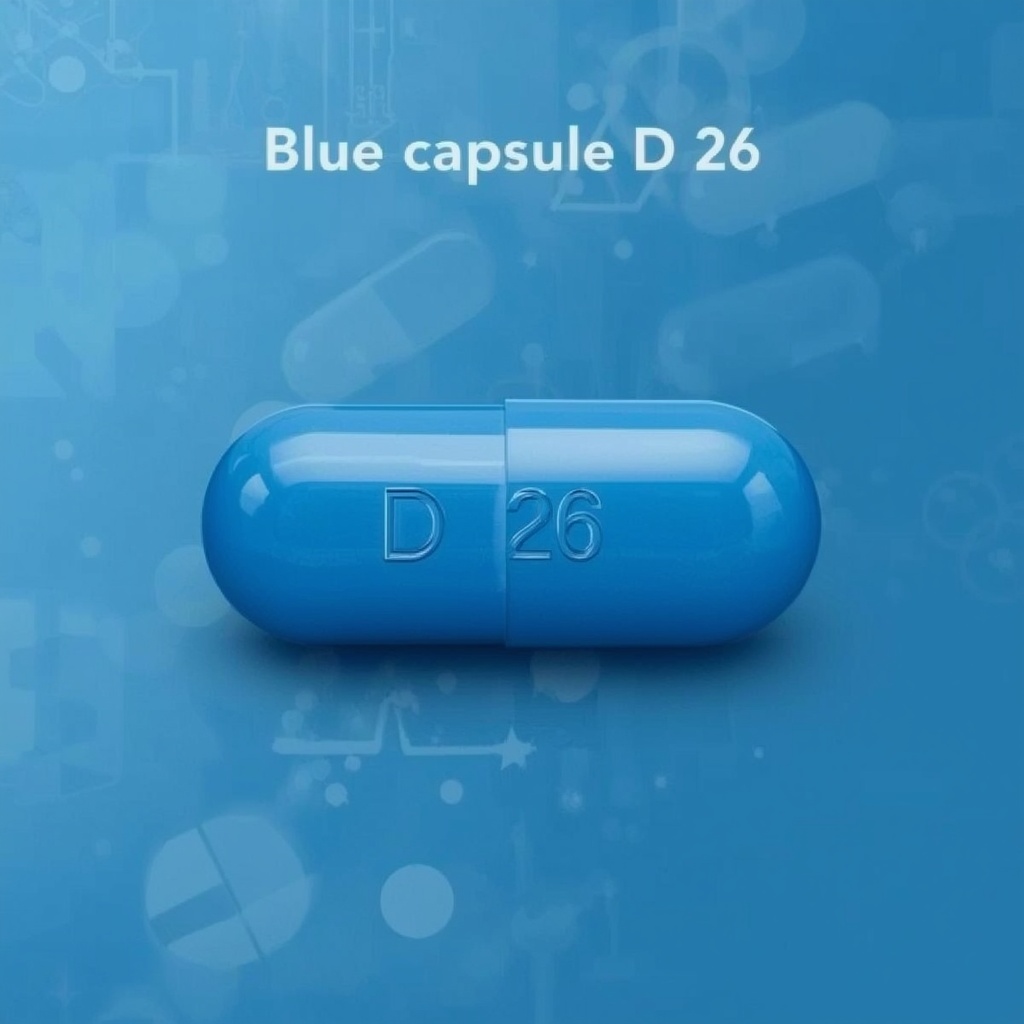
Common active ingredient classes that appear in capsules with similar imprints include selective serotonin reuptake inhibitors (SSRIs), antibiotics, and supplements. Non-active components—fillers, dyes, and excipients—can vary widely and may affect allergies or tolerance. If you have a dye sensitivity (e.g., to FD&C Blue No. 1), double-check ingredient lists before ingestion.
How blue capsule d 26 works
The mechanism of action depends entirely on the active pharmaceutical ingredient inside the capsule. For example, if a blue capsule d 26 contains an SSRI, its primary action would be to increase serotonin levels in synapses, improving mood and anxiety symptoms over several weeks. If it’s an antibiotic, the mechanism would target bacterial processes like cell wall synthesis or protein production. Always verify the active ingredient to understand how a specific capsule will affect your body.
In addition to the active drug action, the capsule form can influence absorption rates. Capsules often allow for faster dissolution in the stomach and more predictable bioavailability compared with some tablets. Extended-release bead-filled capsules can sustain plasma levels over time and should not be crushed or split.
Uses and indications
Because blue capsule d 26 is an imprint-based identifier rather than a single branded medication, the indications depend on the content. Frequently reported uses for similarly imprinted capsules include:
- Treatment of depression and anxiety disorders (if the capsule contains an antidepressant)
- Management of bacterial infections (if it is an antibiotic)
- Supportive therapy or nutrient supplementation (if it’s a vitamin or herbal mix)
Always reference the prescription label or product monograph to confirm the indication. Using a medication for an off-label purpose without professional guidance increases the risk of harm and reduces treatment effectiveness.
Dosage and administration
Dosage for blue capsule d 26 varies by active ingredient, patient age, weight, kidney and liver function, and whether the formulation is immediate- or extended-release. Below is a generic dosing checklist to follow while awaiting confirmation of the capsule's identity:
- Confirm the active ingredient via a pharmacist or prescription label before taking the pill.
- Start with the lowest recommended dose if medically advised and monitor for side effects.
- Follow instructions about food—some capsules require intake with food to reduce stomach upset, others are best on an empty stomach for optimal absorption.
- Never crush or chew an extended-release capsule; consult a pharmacist for alternatives.
Table: Typical administration formats for capsule formulations
| Formulation | Typical Administration Notes |
|---|---|
| Immediate-release capsule | Usually taken 1–3 times daily; follows standard dosing intervals. |
| Extended-release (ER) capsule | Taken once daily; do not crush, split, or chew. |
| Bead-filled delayed-release | May release in the intestine; timing relative to meals matters. |
Side effects and risks
Side effects for any medication packaged as a blue capsule d 26 will reflect its active ingredients. Below is a list of common and uncommon adverse reactions to watch for, grouped to help you triage symptoms quickly.
- Common mild effects: nausea, headache, dizziness, mild gastrointestinal upset, transient insomnia or drowsiness.
- Moderate concerns: allergic reactions (rash, itching), significant dizziness or fainting, persistent gastrointestinal distress, mood changes or worsening depression.
- Serious warnings: difficulty breathing, severe rash or swelling, signs of liver damage (dark urine, jaundice), severe allergic reaction (anaphylaxis), or signs of serotonin syndrome if combined with other serotonergic agents.
If you suspect a severe reaction, seek emergency care immediately. For milder side effects, contact the prescribing clinician to assess whether dosage adjustment or an alternative medication is appropriate.
Interactions and warnings
Drug interactions are one of the most important safety considerations. Because blue capsule d 26 could contain medications that interact with numerous common drugs, always cross-check before combining substances. Examples of interaction risks include:
- Serotonergic drugs: combining SSRIs, SNRIs, MAO inhibitors, or certain migraine medications can precipitate serotonin syndrome.
- Anticoagulants: antibiotics or SSRIs can increase bleeding risk when taken with warfarin or direct oral anticoagulants.
- CYP450 enzyme modulators: some drugs change how quickly others are metabolized, altering efficacy and toxicity.
Special populations—pregnant or breastfeeding people, children, older adults, and those with hepatic or renal impairment—should consult a clinician before starting any medication. Keep an up-to-date medication list and show it to every provider.
Authenticity and buying guide
Because visual identifiers like "blue capsule d 26" can apply to multiple products, verifying authenticity is essential. Follow these steps when you encounter an unlabeled or uncertain capsule:
- Check the original prescription bottle and label for matching imprints and instructions.
- Use accredited pill identifier tools from reputable medical sites or contact your pharmacist directly.
- Purchase only from licensed pharmacies—avoid unverified online sellers, street sources, or repackaged medications without clear provenance.
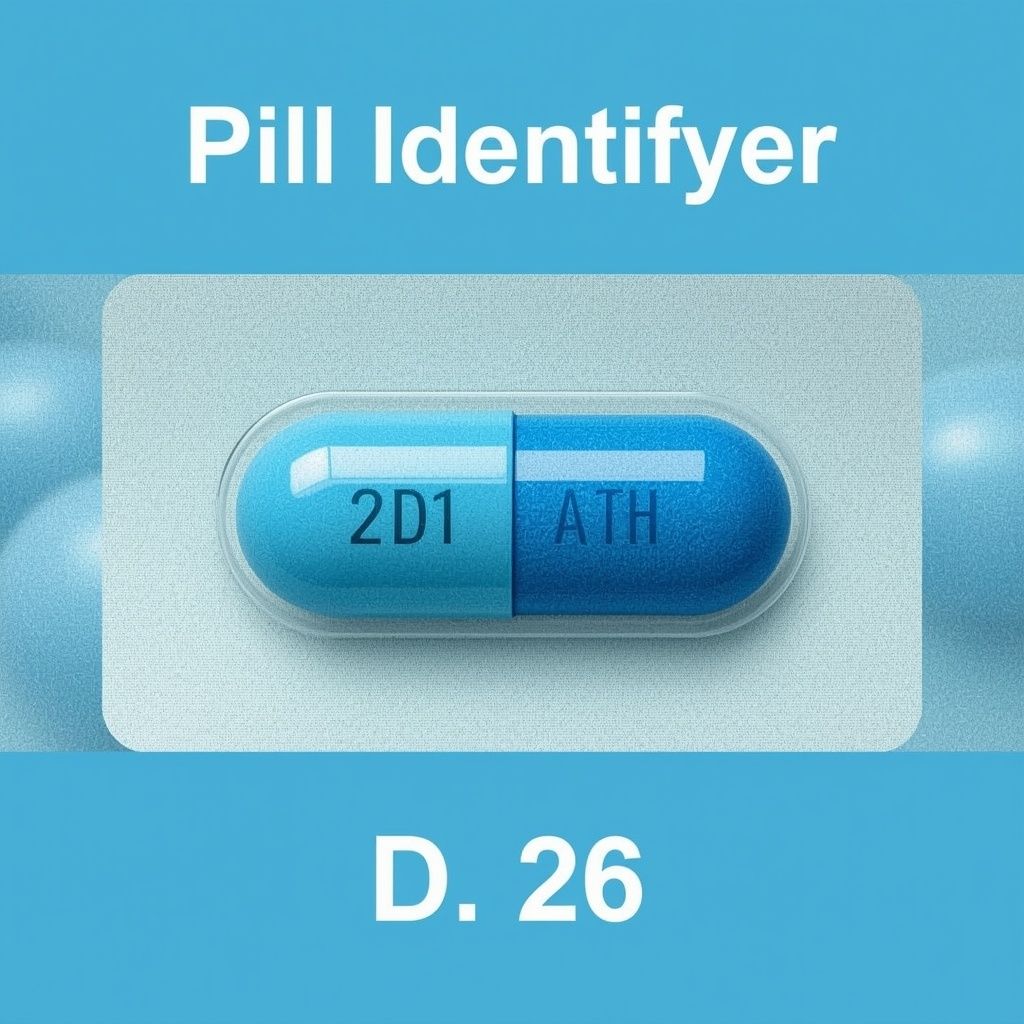
Signs of counterfeit or unsafe products include inconsistent color, uneven imprinting, unusual odor, damaged packaging, or missing lot and expiration details. Report suspicious medications to your pharmacist or local regulatory authority. When in doubt, do not take the pill until identity and safety are confirmed.
Comparison with alternatives
When a clinician prescribes a medication that matches the blue capsule d 26 description, there may be alternative medications with similar therapeutic effects but different risk profiles or dosing regimens. The table below compares a hypothetical blue capsule d 26 formulation (representing a common SSRI match) with two typical alternatives to illustrate trade-offs.
| Feature | Blue Capsule D 26 (Example: SSRI) | Alternative A (SNRI) | Alternative B (Older TCA) |
|---|---|---|---|
| Typical dosing | Once daily | Once daily | Once to twice daily |
| Common side effects | Nausea, sexual dysfunction, insomnia | Increased BP, nausea | Anticholinergic effects, sedation |
| Drug interaction concerns | Serotonergic interactions | Serotonergic + blood pressure interactions | Multiple interactions, cardiac caution |
| Best for | First-line anxiety/depression | Patients needing pain comorbidity help | When other classes fail or contraindicated |
FAQs
Q: How can I be 100% sure a capsule labeled blue capsule d 26 is safe to take?
A: The only reliable confirmation is matching the pill to the original prescription or consulting a pharmacist who can verify the imprint, packaging lot number, and active ingredient. Visual matching alone is insufficient.
Q: Can I split or crush a blue capsule d 26 to adjust my dose?
A: Do not crush or split capsules unless the pharmacist or prescriber explicitly says it's safe. Many capsules are extended-release or contain beads that must remain intact.
Q: Where should I report an adverse reaction or counterfeit medication?
A: Report adverse reactions to your clinician and your country's drug safety authority (in the U.S., the FDA’s MedWatch). Counterfeit or suspicious products should be reported to the pharmacy and regulatory bodies as well.
FAQ
What is Blue Capsule D 26?
Blue Capsule D 26 is a branded supplement-style capsule marketed for general wellness (or a hypothetical product depending on context); it typically refers to a blue, oblong capsule labeled D 26 and is promoted for its specific ingredient blend. Information here is general; check the product label and manufacturer for precise details.
What are the active ingredients in Blue Capsule D 26?
Ingredients vary by manufacturer—common listings include vitamins, minerals, botanical extracts, or proprietary blends. Always read the product label for the exact active ingredients and concentrations.
What is the intended use of Blue Capsule D 26?
Manufacturers usually position it for a targeted benefit such as energy support, cognitive focus, immune support, or joint health. The intended use should be stated on packaging and marketing materials.
How should Blue Capsule D 26 be taken (dosage and timing)?
Follow the label instructions or a healthcare provider’s advice. Typical supplement dosing is one to two capsules daily with food, but the correct dosage depends on the product formulation and individual needs.
Are there known side effects of Blue Capsule D 26?
Side effects depend on the ingredients—common mild effects can include digestive upset, headache, or allergic reactions. Serious adverse events are less common but possible; discontinue use and seek medical attention if severe symptoms occur.
Who should avoid taking Blue Capsule D 26?
Pregnant or breastfeeding individuals, people on prescription medications, and those with chronic health conditions should consult a healthcare professional before use. Also avoid if you have known allergies to any listed ingredients.
Can Blue Capsule D 26 interact with medications?
Yes. Ingredients like herbal extracts, vitamins, or minerals can interact with blood thinners, blood pressure meds, antidepressants, and others. Consult a pharmacist or physician prior to combining with prescription drugs.
Is Blue Capsule D 26 regulated by the FDA?
Dietary supplements in the U.S. are regulated as foods, not drugs. The FDA does not approve supplements for safety or effectiveness before they’re marketed; manufacturers are responsible for ensuring product safety and truthful labeling.
How can I verify the quality of Blue Capsule D 26?
Look for third-party testing seals (USP, NSF, or independent labs), transparent ingredient sourcing, a clear lot number and expiration date, and reputable retailer/manufacturer information. Customer reviews and lab reports can also help.
What should I look for on the Blue Capsule D 26 label?
Check the active ingredient list and amounts, serving size, other ingredients (fillers, allergens), manufacturer contact info, lot number/expiration date, and any third-party testing or certification claims.
How long before I might notice effects from Blue Capsule D 26?
Time to effect varies by intended benefit and individual factors—some users report fast changes (days) for energy-related formulations, while other benefits (joint health, cognitive support) can take weeks of consistent use.
Can I take Blue Capsule D 26 with food or on an empty stomach?
Many supplements are best taken with food to improve absorption and reduce stomach upset. Follow the label guidance or ask a healthcare provider for personalized advice.
Is Blue Capsule D 26 suitable for children?
Most adult supplements are not formulated or dosed for children. Do not give to children unless the product explicitly states pediatric dosing and you have consulted a pediatrician.
How should Blue Capsule D 26 be stored?
Store in a cool, dry place away from direct sunlight. Keep tightly closed, and follow any temperature or humidity instructions on the label. Keep out of reach of children.
What do consumer reviews say about Blue Capsule D 26?
Reviews vary—some users report perceived benefits while others note no change or mild side effects. Look for patterns in reviews and weigh verified-purchase feedback more heavily.
Is Blue Capsule D 26 vegan, gluten-free, or allergen-free?
That depends on the formulation. Check the label for vegan, vegetarian, gluten-free, or allergen statements and review the full ingredient list for potential allergens like soy, dairy, or shellfish derivatives.
Can Blue Capsule D 26 cause dependency or withdrawal?
Most standard vitamin and botanical supplements do not produce physiological dependence or classic withdrawal. However, stopping compounds that affect neurotransmitters or hormones may lead to rebound effects—consult a clinician for products with such active ingredients.
How long should I use Blue Capsule D 26?
Use duration depends on the product goals and ingredients. Some are intended for short-term use; others can be part of a longer wellness routine. Reassess benefits periodically and consult a healthcare professional for long-term use.
Where can I buy authentic Blue Capsule D 26?
Purchase from reputable retailers, the manufacturer’s official site, or verified marketplaces. Avoid questionable vendors and be cautious of counterfeit or adulterated products sold at deep discounts.
What should I do if I experience an adverse reaction to Blue Capsule D 26?
Stop taking the product immediately, seek medical care if symptoms are severe, and report the reaction to the manufacturer and appropriate regulatory body (for U.S. consumers, the FDA’s MedWatch).
How does Blue Capsule D 26 compare to standard multivitamins?
Blue Capsule D 26 may contain targeted ingredients not present in standard multivitamins, but multivitamins provide a broad nutrient base. Compare ingredient lists and intended outcomes to choose what fits your needs.
How does Blue Capsule D 26 compare to prescription medications for the same purpose?
Prescriptions are tested and approved for specific indications and have stricter regulatory oversight. Blue Capsule D 26, as a supplement, is not a substitute for prescription therapy; consult a provider before replacing any prescribed medication.
How does Blue Capsule D 26 compare to other branded supplements with similar claims?
Compare ingredient transparency, dosages, third-party testing, price-per-serving, customer reviews, and manufacturer reputation. A higher price doesn’t always mean better quality; look at ingredient efficacy and evidence.
How does Blue Capsule D 26 compare with generic or store-brand alternatives?
Store brands may offer similar active ingredients at lower prices; however, differences in ingredient quality, sourcing, and testing can exist. Verify labels and third-party certifications rather than relying solely on brand name.
How does Blue Capsule D 26 compare to single-ingredient supplements?
Multi-ingredient formulas like Blue Capsule D 26 offer convenience and potential synergistic effects, while single-ingredient supplements allow precise dosing and easier interaction checks. Choose based on goals and safety considerations.
How does Blue Capsule D 26 compare to herbal-only formulations?
Herbal-only products rely on plant extracts and may have variable active compound concentrations. If Blue Capsule D 26 mixes herbs with vitamins/minerals, it could offer a broader effect profile; assess efficacy and safety for each herb included.
How does Blue Capsule D 26 compare to topical or transdermal forms targeting the same issue?
Oral capsules deliver systemic exposure and are better for whole-body effects; topical forms act locally and may bypass some systemic side effects. Choose the delivery method based on the targeted condition and evidence.
How does the cost-effectiveness of Blue Capsule D 26 compare to alternatives?
Evaluate price per effective dose, the number of servings, and demonstrated benefits. Cheaper options may lack potency or testing; more expensive options should justify cost with quality and clinical backing.
How does user-reported efficacy of Blue Capsule D 26 compare with clinical evidence?
User anecdotes can be useful but are not a substitute for clinical trials. Look for peer-reviewed studies or manufacturer-sponsored trials to validate user claims; absence of evidence doesn’t equal lack of effect, but exercise caution.
How does Blue Capsule D 26 compare to lifestyle approaches (diet, sleep, exercise) for similar goals?
Supplements can complement but not replace healthy lifestyle choices. Diet, sleep, stress management, and exercise often have broader and better-documented effects; supplements work best as part of an overall wellness plan.
How does Blue Capsule D 26 compare to placebo in reported studies or trials?
If randomized, placebo-controlled trials exist, they offer the strongest evidence. Many supplements lack rigorous trials; where placebo-controlled data shows no difference, perceived benefits may be placebo-driven.
How does Blue Capsule D 26 compare to emerging alternatives (newer formulations or research-backed compounds)?
Newer alternatives may offer improved bioavailability or stronger evidence. Compare published research, ingredient innovation, and regulatory transparency when evaluating newer options against Blue Capsule D 26.
How should I choose between Blue Capsule D 26 and similar products?
Base the decision on ingredient transparency, third-party testing, clear dosing, credible reviews, price per effective dose, and alignment with your health goals. Consult a healthcare professional for personalized recommendations.